

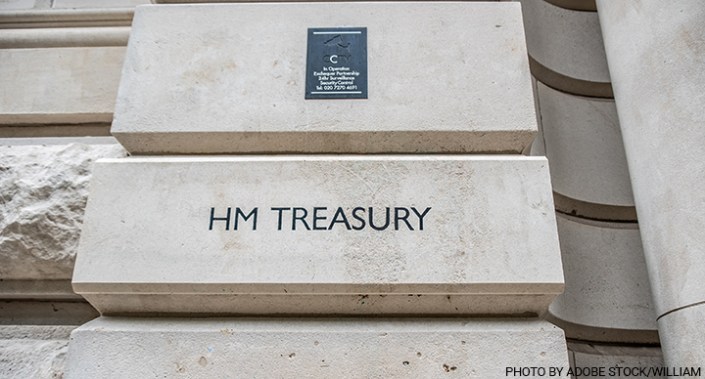
Chancellor of the Exchequer Rachel Reeves’s Autumn Budget includes an increase in the employer National Insurance rate to 15% and a capped corporation tax at 25%.
The rise in National Insurance for businesses, along with increases in capital gains tax for individuals highlight a budget that is, according to HM Treasury, designed to “restore economic stability”.
The government announced two new rules to the fiscal rule framework, a news release said, to funnel investment into the private and public sector.
“The stability rule will balance the current budget, so day-to-day costs are met by revenues.
The investment rule will ensure that net financial debt is falling as a proportion of GDP,” the release said.
Forecasts by the Office for Budget Responsibility (OBR) predict that changes to capital gains tax will raise £2.5 billion by the end of the forecast period (2029–2030). Consumer Price Index inflation is expected to increase to 2.6% and fall back to the 2% target in 2029, the OBR said in a report.
Tax increases for employers
The budget includes an increase of 1.2 percentage points, to 15%, on National Insurance for employers from 6 April 2025. The per employee threshold at which employers start to pay National Insurance will be reduced from £9,100 per year to £5,000 per year on the same date.
According to the release, small businesses will be protected, as the Employment Allowance will increase to £10,500 from £5,000 and be extended to all eligible employers by removing the £100,000 cap.
Andrew Harding, FCMA, CGMA, chief executive–Management Accounting at AICPA & CIMA, together as the Association of International Certified Professional Accountants, said that the increase in employers’ National Insurance is concerning for business growth, particularly for small- and medium-size entities (SMEs).
“While we understand some measures will be put in place to mitigate its impact on SMEs, we are eager to see how these will be implemented in practice to ensure they don’t hinder growth,” Harding said in a statement.
Moves to drive innovation
An allocation of £20.4 billion for government research and development (R&D) in 2025–2026 is intended to help “foster a dynamic investment economy”, the release said.
In policy proposals ahead of the budget, CIMA recommended a stable and predictable R&D tax relief scheme that provides consistent incentives for businesses. The government said that R&D funding would be maintained.
Harding said he was pleased to see measures designed to boost productivity in both public and private sectors, including setting a 2% productivity target for government departments and ending the freeze on income tax thresholds in 2028–2029.
— To comment on this article or to suggest an idea for another article, contact Steph Brown at Stephanie.Brown@aicpa-cima.com.